4/3/2023 12:13:44 AM by
Community Manager
(Edited: 6/3/2023 9:15:26 PM)
Views: 1638
Renderotica is pleased to announce our featured artist of the month for April 2023 yakitoo
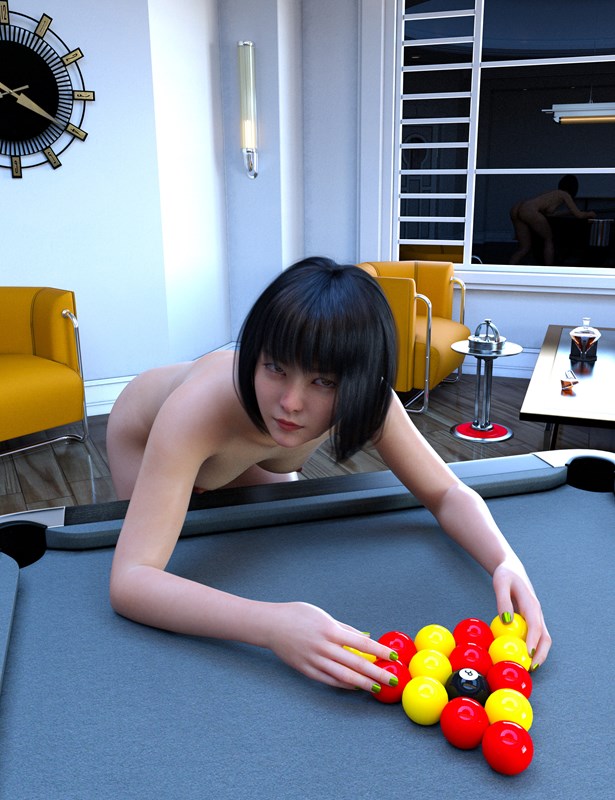
Until the end of April, you can find a selection of their renders by clicking on "Featured Artist Of The Month" within the gallery sidebar.
You can also visit THIS LINK to get a jump on yakitoo's special gallery!
We sat down with yakitoo for a special interview...
Renderotica: Could you give us a little background information about yourself?
Yakitoo: I’m semi-retired after a many exciting years as a software engineer. Currently living in a rural environment in central England.
Renderotica: How did you get started in 3D Art and what influences did you have that led you to the style of art that you do?
Yakitoo: I first got into 3d art as an extension of my sketching and photography. That was a quite few years ago (in the days before Genesis) and the results were, shall we say, a little disappointing. Technology has moved on considerably since then. I use my photos as backdrops occasionally.

Renderotica: I notice that most of your works are of the Pin-up style. What special interest does that hold for you?
Yakitoo: I concentrate mainly on pin-up style as I find the female form in all of its guises ‘pleasing’. Virtually impossible to identify any specific influences. Most of the porn available in my youth was magazines and photo sets (some even in colour) that were touted as being ‘arty’, so is probably an extension of that. There are very few art forms that I don’t enjoy or, at least, appreciate. We can learn something from them all, even if it’s what we don’t like.

Renderotica: Could you describe the process you go through to set up and render an image?
Yakitoo: The big advantage of 3d art is that I can experiment with alien transforms such as tails, skin shades and horns. I have built up a library of pre-configured models saved as sub-scenes. Speeds up the initial stages of setting up scenes and gives a visual starting point in the mind.
My system is pretty modest for graphics; a Ryzen 7/5800 on MSI Tomahawk board, 32Gb Ram, 1080 GPU and lots of hard disk space. The Ryzen and RAM are fast enough to render reasonably quickly when the 1080 maxes out. FYI, I never enable CPU fallback any more as it cuts in and out too often.
My go to 3d toolset is Daz Studio with post work being done in Affinity or Gimp. Main choice of character is still the G8 series.
I start by using the texture shading viewport for composition, then move to filament to adjust the lighting and finally to Iray at low resolution to check the visibility of all geoshells, light temperature, shadows, and other mode specifics. Shadows and reflections are important to me. The whole process is iterative. Once I’m happy I crank up the resolution a notch or two, press go and grab yet another coffee. I find that high resolution gives me much more leeway in the post processing – you can always drop resolution before release.
I use several approaches to actual image composition.
Sometimes just start with a basic figure on the screen and ‘play’ with clothing, hair and poses until it looks right for my mood. I then embellish the scene to include any backgrounds and/or stage props. Sometimes I work the other way round. Start with specific a background and fill in the main scene character details to suit. This ad hoc approach is the most common.
There are occasions though where I start with an idea or image already in my mind and work directly towards creating it.
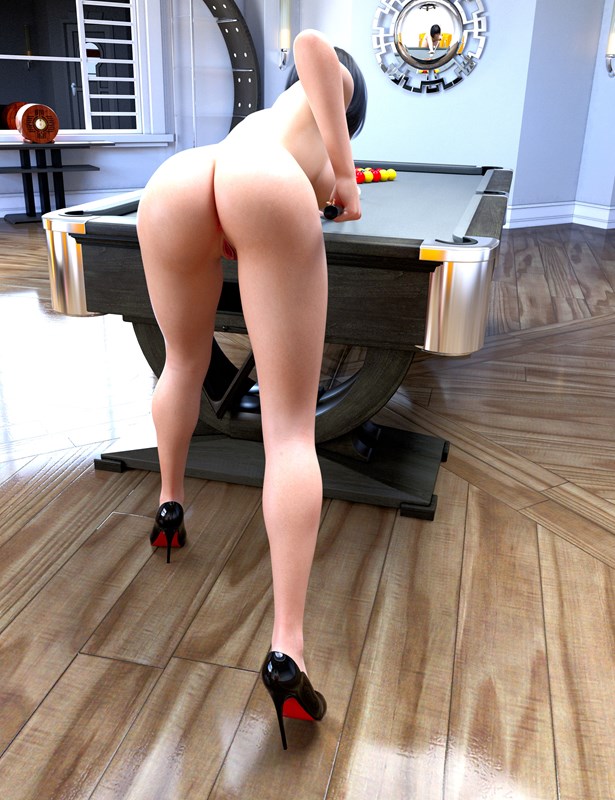
Renderotica: What advice would you give to those just starting out in the 3D art field?
Yakitoo: To anyone just starting out I would simply say stick with it and walk away when things get too frustrating (as they will). Read the various forums and, most importantly, ask when you hit a wall.
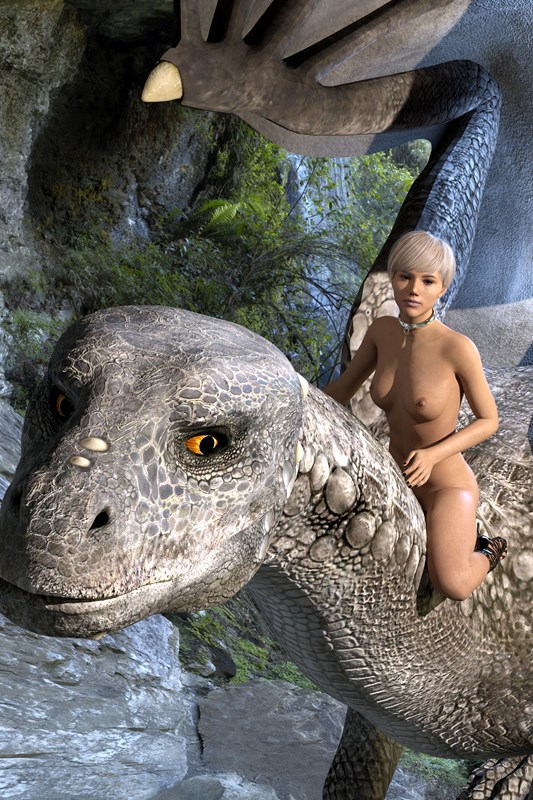.jpg.aspx)
Renderotica: Are there any projects, now or in the future, that you would like us to be aware of?
Yakitoo: I’ve recently started playing with the Stable Diffusion system on my local machine for image generation. This new technology is still very much in its early stages but increasing in power at a phenomenal rate. There is a steep learning curve but that is part of the fun of playing with new technology.
The two systems require different approaches. With Daz you can see what is forming on the screen and can move around it adjusting angles etc until it is right in real-time. The SD system requires you to describe the image you want to create and then keep running the generation process until you get something close to what you want. Very hit or miss and repetitive at the moment, but some of the new incoming features, such as Controlnet, have great potential for proper image manipulation. SD is very good for generating back drops for use in Daz scenes.
I treat the whole thing as playtime and don’t let it get too serious; I’ve spent 40+ years being serious with computers. Once it stops being fun, I stop. Some days nothing comes and others there are not enough hours or processor cycles available, but that is the fun.
Don't forget to visit THIS LINK to get a jump on yakitoo's special gallery!